


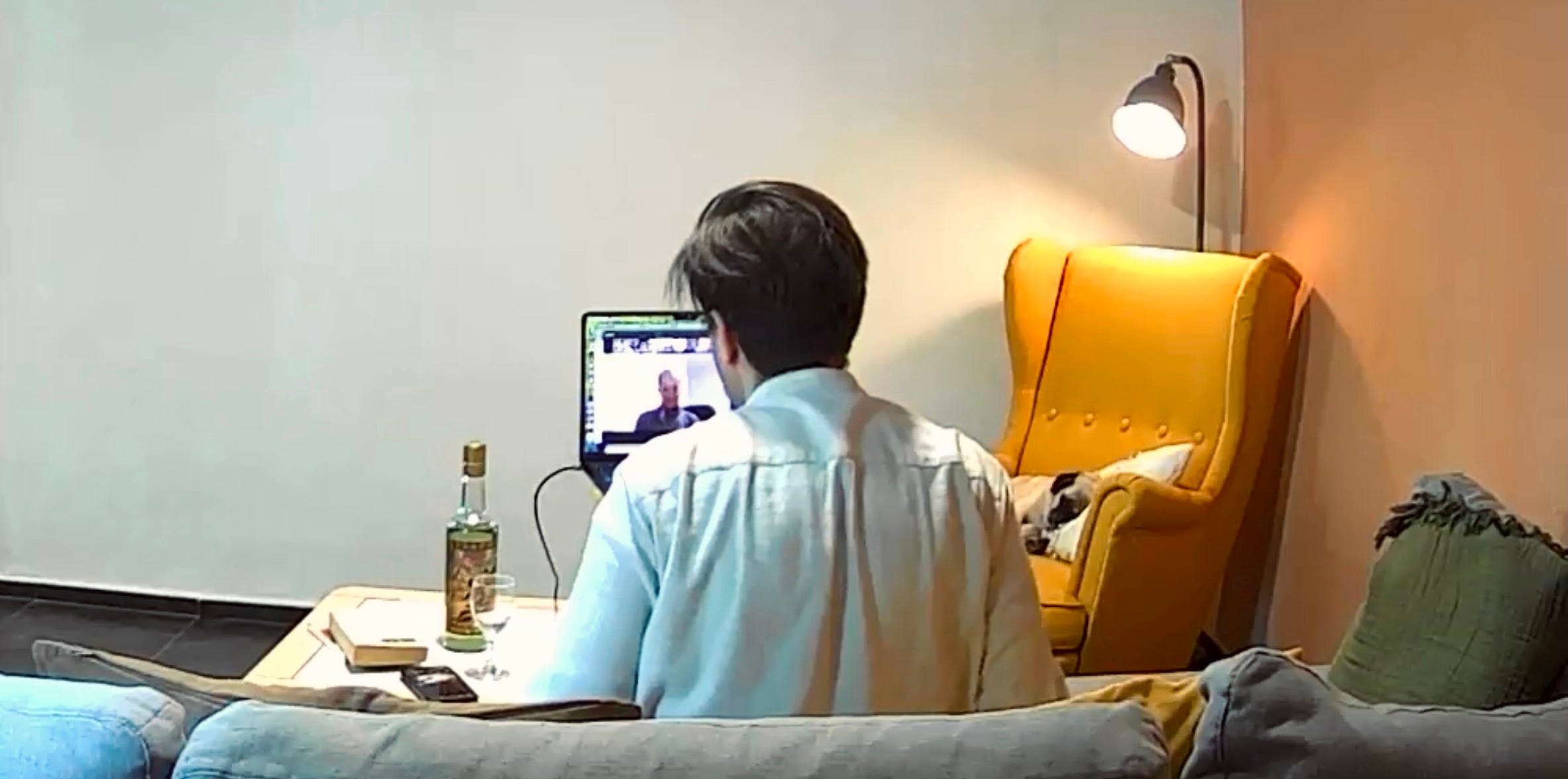
Last Wednesday, I hosted the very first Apéro Club: two small groups on Zoom, a drink each, and one question: what are you reading at the moment?
I came away with a reading list for the whole year. Here it is.
If you want a classic
Les Misérables and Notre-Dame de Paris, Victor Hugo. Grandiose, exigeant. I had to look words up. Advanced level.
Le Tour du monde en quatre-vingts jours, Jules Verne. Rythmé, accessible. A classic that reads easily from an intermediate level.
Les Naufragés du Jonathan, Jules Verne. Méconnu, captivant. One of his least-known books, and one of my favorites: castaways at the southern tip of South America have to invent their own society.
L’Étranger, Albert Camus. Court, troublant. Good news if it scares you: it’s written almost entirely in the passé composé.
La Peste and Le Premier Homme, Albert Camus. Sombre, intime. Two more Camus that came up. Le Premier Homme, his unfinished, autobiographical last novel, also exists as a comic (BD).
Thérèse Desqueyroux, François Mauriac. Sombre, envoûtant. The portrait of a woman stifled by her marriage, in the pine forests of the Landes.
Le Petit Prince, Antoine de Saint-Exupéry. Poétique, intemporel. Easy to read, plenty to think about.
Candide, Voltaire. Ironique, drôle. A short philosophical tale that still makes people laugh, three centuries later.
À la recherche du temps perdu, Marcel Proust. Monumental, exigeant. The ultimate challenge. Several of us started it. Nobody finished it.
And my own addition, since nobody mentioned him: Maupassant’s short stories. Mordant, efficace.
If you prefer contemporary novels
Les Yeux de Mona, Thomas Schlesser. Lumineux, émouvant. A grandfather introduces his granddaughter, who is losing her sight, to great works of art.
Tout le bleu du ciel, Mélissa Da Costa. Émouvant, captivant. A last road trip in a camper van through the Pyrenees.
Gabriële, Anne and Claire Berest. Passionnant, romanesque. Written “à quatre mains” by two sisters, about their great-grandmother in the Paris art world of the early 1900s.
La Carte postale, Anne Berest. Bouleversant, haletant. An anonymous postcard sends the author looking into her family’s history during the Second World War.
La Liste de mes envies, Grégoire Delacourt. Court, tendre. A haberdasher in Arras wins the lottery and wonders what she really wants.
Moi qui n’ai pas connu les hommes, Jacqueline Harpman. Étrange, fascinant. Philosophical and a little unsettling, but the vocabulary is simple and repetitive. A good one to read in French.
Je voudrais que quelqu’un m’attende quelque part, Anna Gavalda. Tendre, drôle. Short stories, recommended by a reader for intermediate levels.
Astérix, Goscinny and Uderzo. Drôle, culte. The comic every French person grew up with. Full of puns, so better from an intermediate level.
A few tips that came out of the apéro
For the big books, read them in your own language first. When you love a chapter, read that one in French. One chapter is a goal you can actually reach.
Write down unknown words in a notebook, and pick books that flow at your level. You’ll read more, and you’ll enjoy it more.
Don’t overlook comics. The pictures give you the context, and the dialogues are the French people really speak.
Try audiobooks on litteratureaudio.com: thousands of free books read by volunteers. They’re in the public domain, so you can easily find the text and read along.
In this Sunday’s podcast
I tell you how the apéro went: the winner of “the book I gave up on”, what to do when a book resists you, and the five mistakes I heard most often, with the fix.
Here’s one, for free: “je fais des notes”. In French, you don’t make notes, you take them: je prends des notes. The other four are in the podcast, including the one I warned you about in Monday’s article. And yes, someone said it.
The next Apéro Club is on Wednesday, December 16. Reply to this email if you’d like a seat.
Paid subscribers get a new podcast in French every week, with the full transcript, an English translation and a vocabulary list. If you'd like to keep improving your French with me, this is the best way to do it.
English translation available at the end of the post
Salut à tous, bienvenue dans cet épisode !
Mercredi, on a fait le tout premier Apéro Club. Le principe : un petit groupe en visio, un verre à la main, et un thème. Cette fois, c’était la lecture : qu’est-ce que vous lisez en ce moment ? Comme promis, je vous raconte ce qu’on s’est dit.
Si vous voulez lire un classique
Il y a eu beaucoup de classiques ce soir-là, et un nom est revenu plusieurs fois : Victor Hugo. Une participante a lu Les Misérables en entier, puis Notre-Dame de Paris. Il lui a fallu des années, mais elle les a adorés. Moi aussi, j’ai lu Notre-Dame de Paris récemment, et je vous préviens : c’est dense. Il y a du vocabulaire que j’ai dû chercher (beaucoup) alors que je suis français. C’est plutôt pour un niveau avancé.


